Forms
Actions
Alerts
Associated Items
Connected Lookup
Print
Import
Signature
External Data Lookup
Calendar
Rollups
Charts
Counters
List Search
Filters
Item IDs
Color Choice
User Property
Document Link
Voting
Stay in the know
Get helpful videos
Design dynamic SharePoint forms with tabs, conditional rules, validation, permissions, and e-signatures. No code, no Power Apps. Built in your browser.

Ultimate Forms: Forms is a no-code form designer that turns any SharePoint list into a complete business application. It replaces standard SharePoint list forms with dynamic forms featuring tabs, conditional rules, validation, per-user permissions, and electronic signatures, all configured by drag and drop in your browser. No Power Apps, no InfoPath, no code.
If your SharePoint forms are still a flat wall of fields, this is the component that changes what your users see and how accurate your data becomes.
Why SharePoint forms need a designer
A form that shows every column to every user is not a designed form; it is a dumped list. Users skim, guess, and rush, and the result is missing values, wrong entries, and processes that stall on bad data. A designed form guides each person through exactly what they need to provide, validates input at the moment of entry, and shows different roles their own view of the same record. That is what this component does for every list and library in your SharePoint environment.What you can build
Design: professional forms by drag and drop
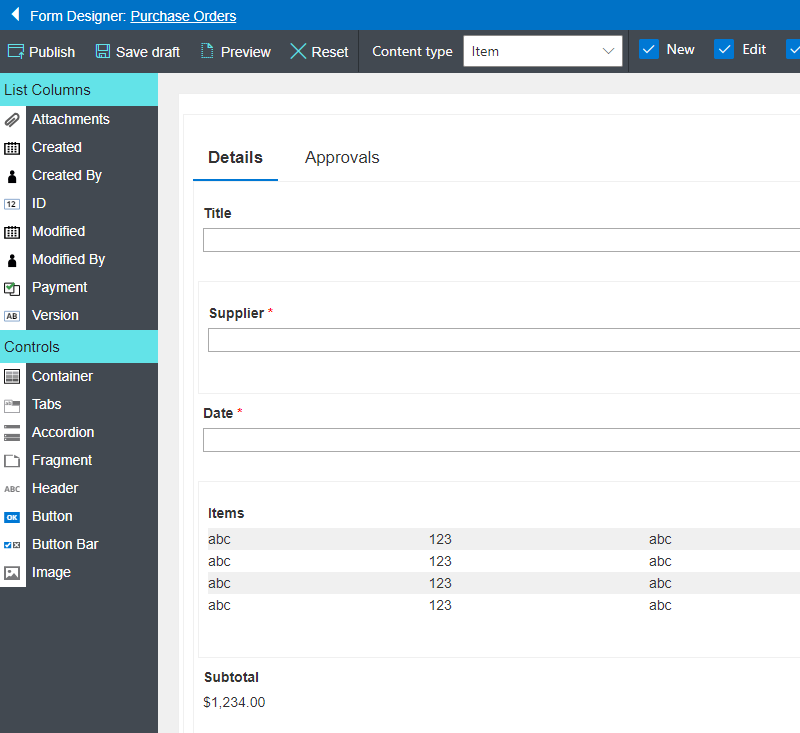
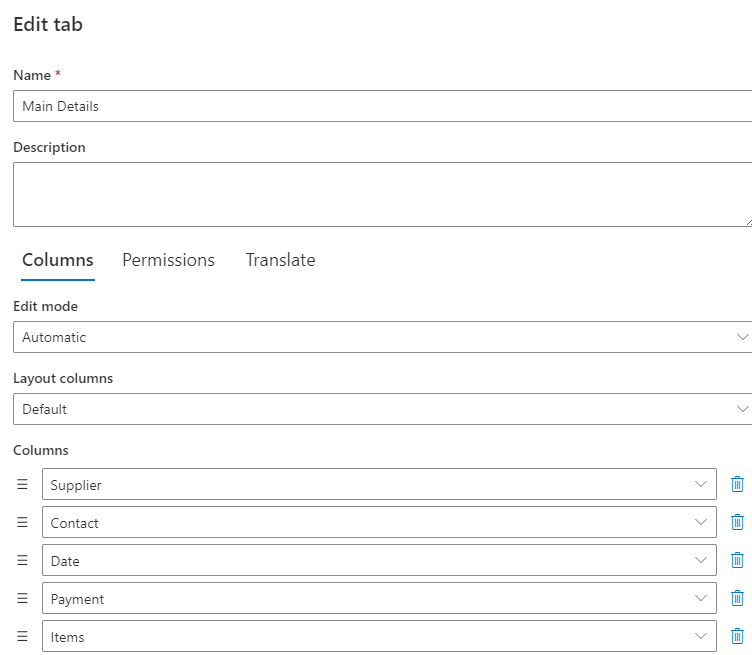
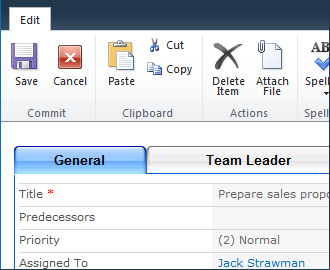
Open the Form Designer directly from any list and arrange columns into tabs, groups, and multi-column layouts. Add headers, buttons, and descriptions. Apply a ready-made theme or build your own look to match your branding. A long intake form becomes a clean, multi-step experience in minutes, and everything is responsive by default, so the same form works on desktops, tablets, and phones.Permissions: every role sees its own form
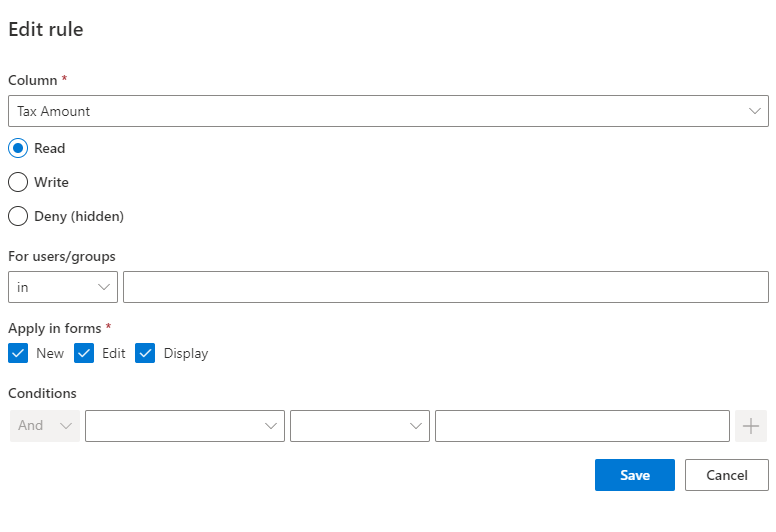
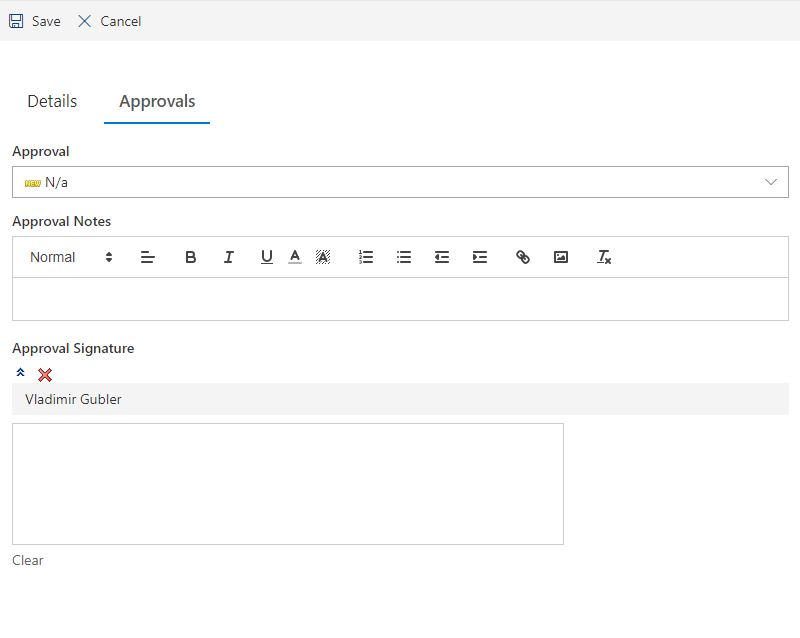
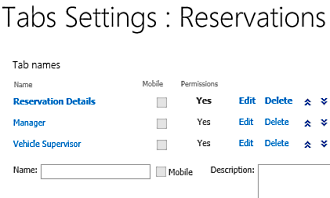
Apply permissions to any element: a tab, a group, a button, or a single column. Rules can target users and groups, apply under conditions, and update dynamically as form values change. The requester sees the request fields, the approver sees the decision tab, and administrative columns stay hidden from everyone else, all on one underlying item. This is the capability that removes the need for duplicate lists and copied data.Rules: forms that think
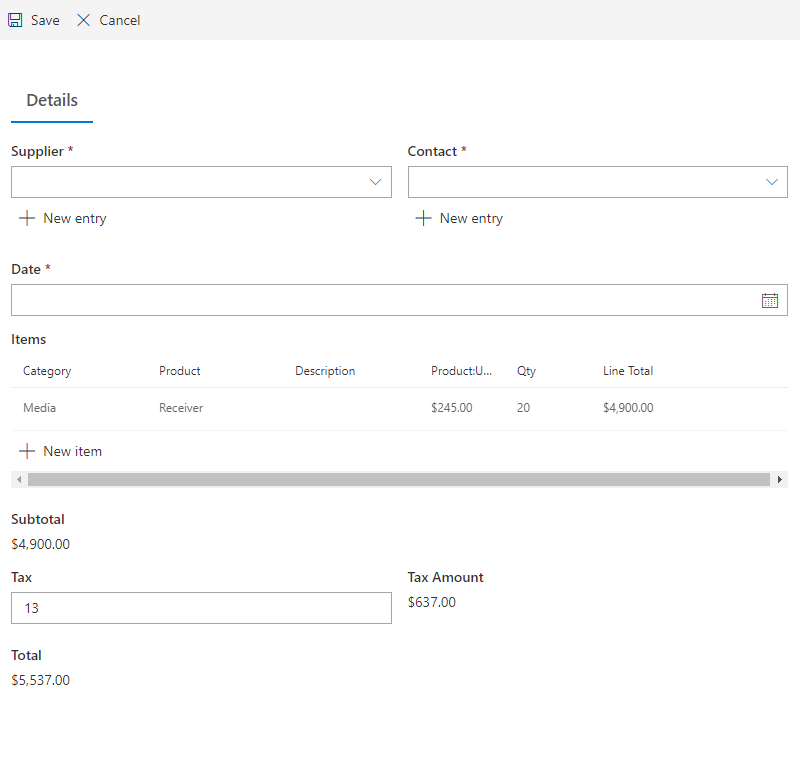
Dynamic rules set column values in real time based on other columns, calculations, and functions. Hide the shipping address when it matches the billing address. Calculate age from a birth date. Reveal an entire section only when a choice makes it relevant. Rules can be scoped to specific form types (new, edit, display) and specific users, and they are configured from dropdowns, not formulas.Validation: catch bad data at the door
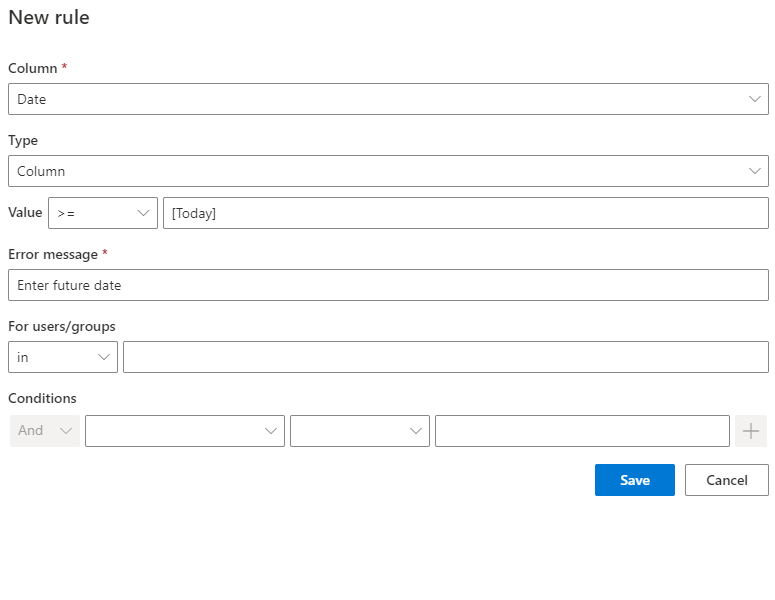
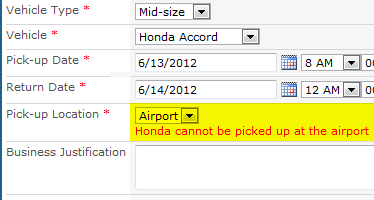
Validation rules ensure only correct values are saved: pattern checks for emails and phone numbers, cross-column conditions, and requirements that change with context. Validation can even be AI-assisted, evaluating free-text answers against a quality bar you define in plain language, so "broken" never again passes as a help desk ticket description.External Forms: collect from anyone, securely
Publish forms to customers, vendors, and partners without granting them access to your SharePoint and without extra licenses. Embed public-facing forms on your website; submissions land directly in your lists with all rules and validation applied. (External Forms is available on Microsoft 365.)Compared with Native SharePoint
| Ultimate Forms | Native SharePoint | |
|---|---|---|
| Show columns in tabs | ✓ |
|
| Theming support for Tabs | ✓ |
|
| Show columns in groups | ✓ |
|
| Assign permissions to tabs/groups | ✓ |
|
| Dynamically set column values based on conditions and other columns | ✓ |
|
| Columns hidden or read-only based on current user identity | ✓ |
|
| Columns hidden or read-only based on columns values | ✓ |
|
| Columns hidden or read-only based on current form type | ✓ |
|
| Attachments permissions based on current user identity | ✓ |
|
| Dynamically applied column/tab permissions | ✓ |
|
| Default values for any column | ✓ |
|
| Set default values via query string parameters | ✓ |
|
| Create business processes and multi-stage input forms using SharePoint alone | ✓ |
|
| Multiple look and feel Themes | ✓ |
|
| Wizard-driven multi-step form filling | ✓ |
|
| Add descriptions to tabs and groups | ✓ |
|
| Localized into English, French, German and Spanish | ✓ |
✓
|
What teams build with it
Leave requests with manager-only decision tabs. Patient intake with conditional insurance sections. Purchase requests with validated amounts and auto-filled requester details. Multi-step wizards for onboarding. The Solution Catalog contains 450+ pre-built templates using these forms, each installable in one click, and the same forms connect to Actions for automation and Alerts for notifications to complete the process.Frequently asked questions
Q: Can I build SharePoint forms with tabs without Power Apps?
A: Yes. The Ultimate Forms Form Designer adds tabs, groups, and multi-column layouts to SharePoint list forms directly in the browser, with no Power Apps and no code.
Q: Does it replace the default SharePoint list form?
A: Yes. The designed form replaces the standard new, edit, and display forms of the list, so users work in the enhanced form automatically.
Q: Can different users see different fields on the same form?
A: Yes. Permission rules show, hide, or make read-only any tab, group, or column based on the current user, group membership, form type, or column values, applied dynamically as values change.
Q: Does it work with SharePoint on-premises?
A: Yes. Ultimate Forms supports SharePoint Online (Microsoft 365) and all supported on-premises SharePoint versions. External Forms specifically requires Microsoft 365.
Q: Can people outside my organization fill out my SharePoint forms?
A: Yes. External Forms publishes secure, public-facing versions of your forms that outside users complete without SharePoint access or licenses.
Q: Is it an InfoPath replacement?
A: Yes, and a Power Apps alternative for SharePoint scenarios. See our comparison with Power Apps for a side-by-side analysis.
Screenshots